
MiniSplit systems have become a popular choice among homeowners looking for energy efficiency and flexible temperature control. However, like any mechanical system, they require regular maintenance and repair. Understanding a few key aspects of MiniSplit repair will help you save time, money, and frustration.
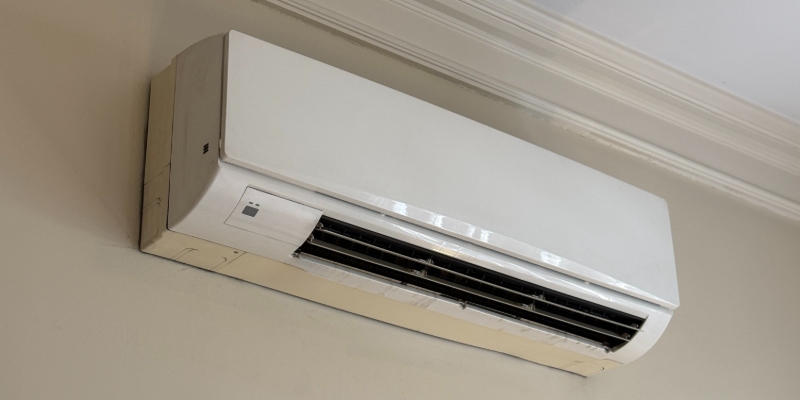
- Poor Performance: One of the common concerns that homeowners face is poor cooling or heating performance. This is frequently caused by clogged filters, unclean coils, or low refrigerant levels. Cleaning or replacing filters on a regular basis is a simple step that can help prevent more serious issues.
- Odd Noises: MiniSplits are known for their quiet operations, which is why grinding, buzzing, or rattling sounds are a sign that repair might be needed. These sounds could indicate loose components, fan motor issues, or debris within the unit. If you notice any of these sounds, it’s best to schedule MiniSplit repair right away, as ignoring them can cause more extensive damage over time.
- Drainage Issues: MiniSplits remove humidity from the air, and that moisture needs a clear path to drain. If the drain line clogs, you can experience water leaks or an increase in indoor humidity. A regular inspection of the drainage system can help prevent this.
- Electrical Difficulties: If your system does not turn on or frequently shuts down, it could be due to faulty wiring, a broken thermostat, or a failed control board. These are not do-it-yourself repairs and should be done by a professional expert to guarantee safety.
- Regular Maintenance Is Key: Annual servicing can detect minor issues before they become costly fixes, keeping your system working smoothly.
When it comes to MiniSplit repair, being proactive—cleaning filters, evaluating performance, and scheduling maintenance—helps the system last longer and keeps your home comfortable.